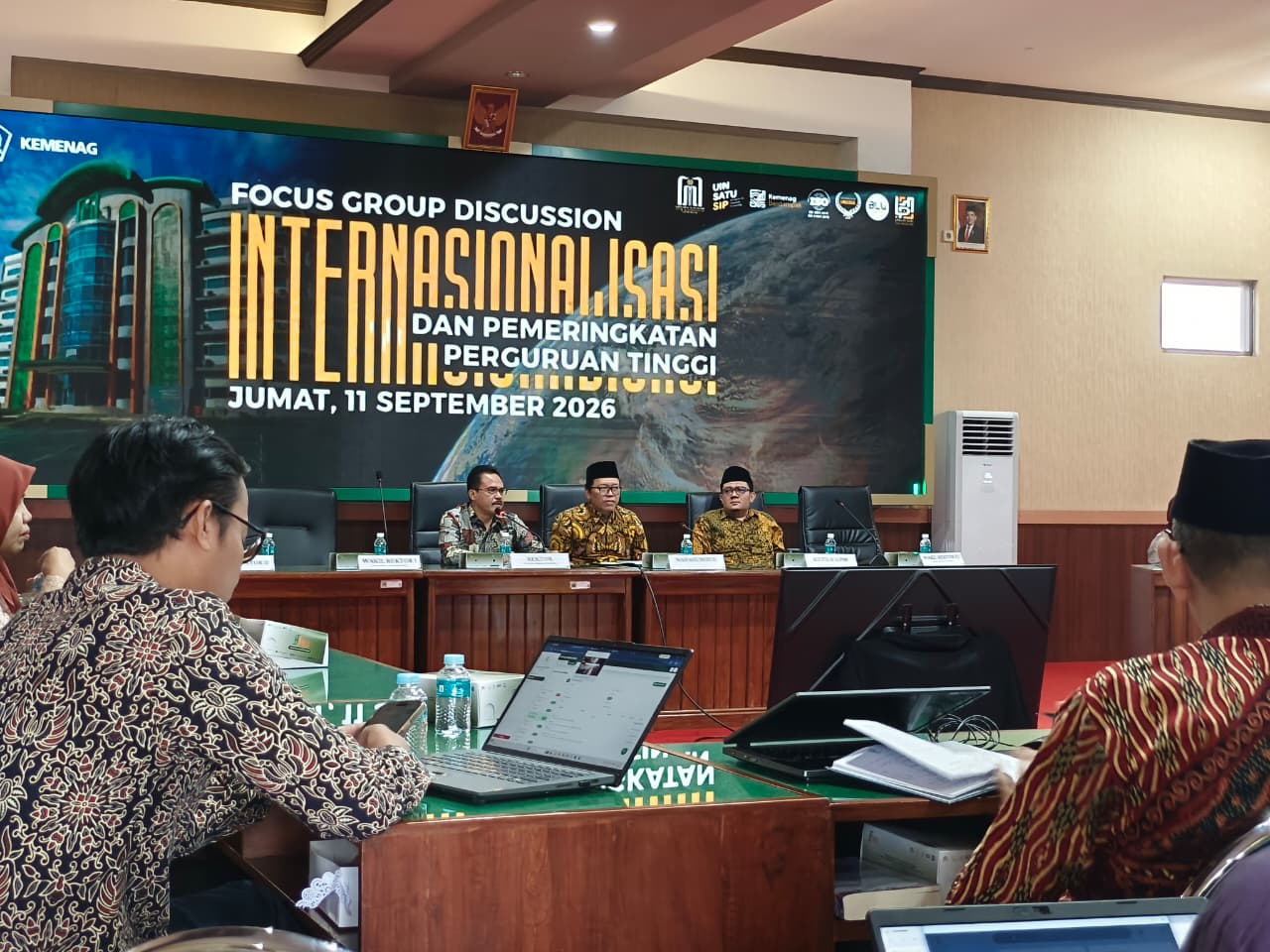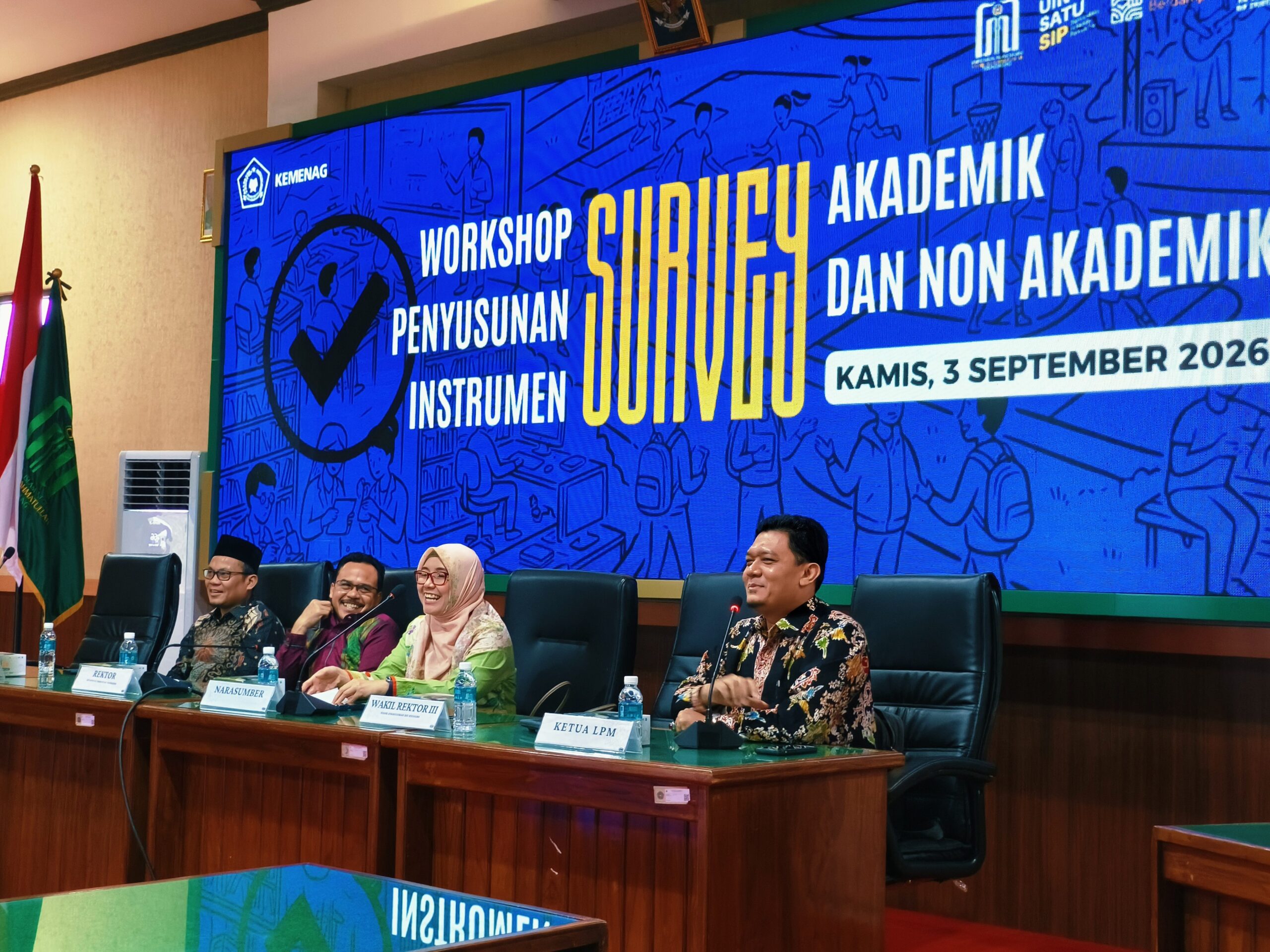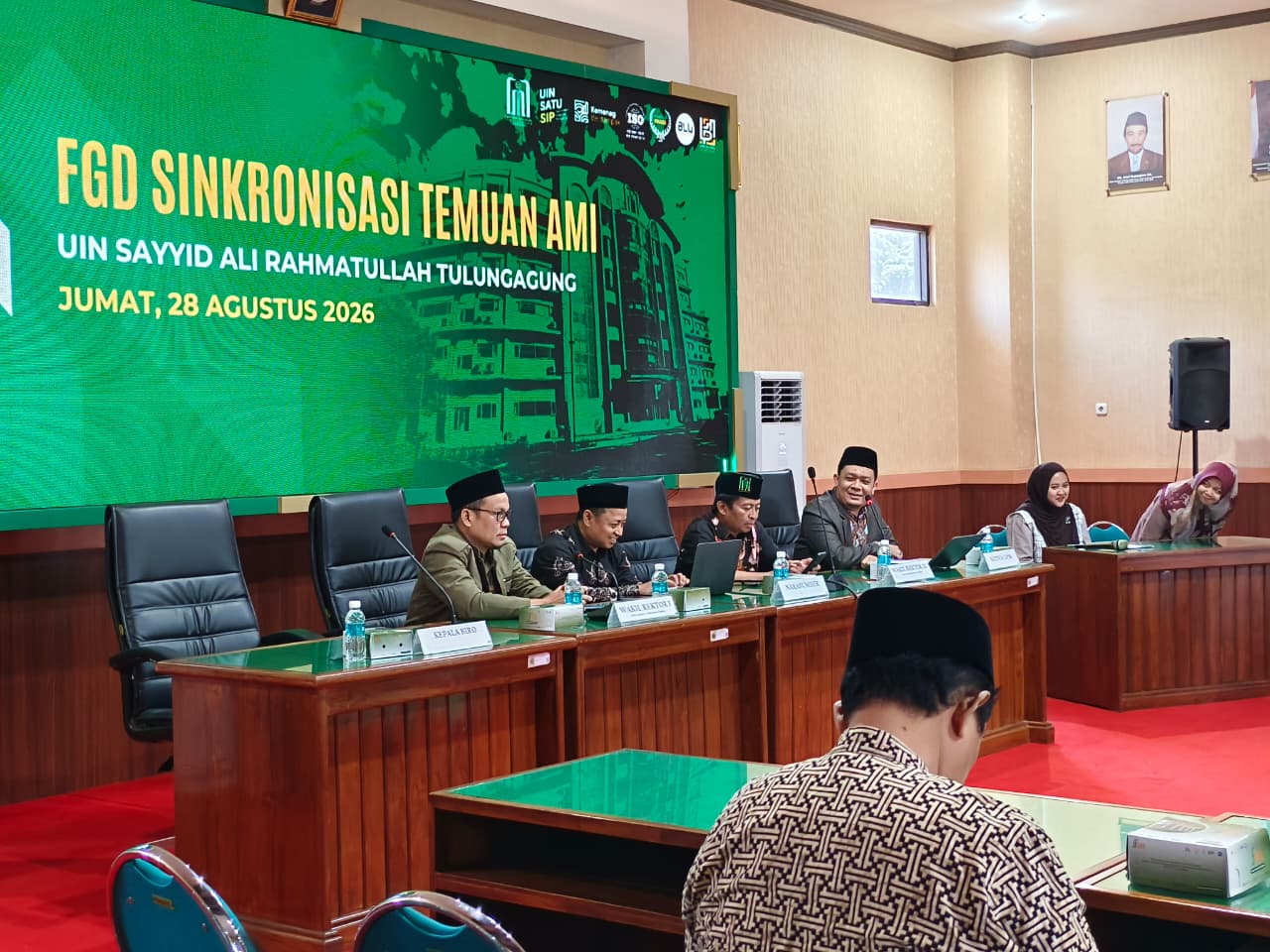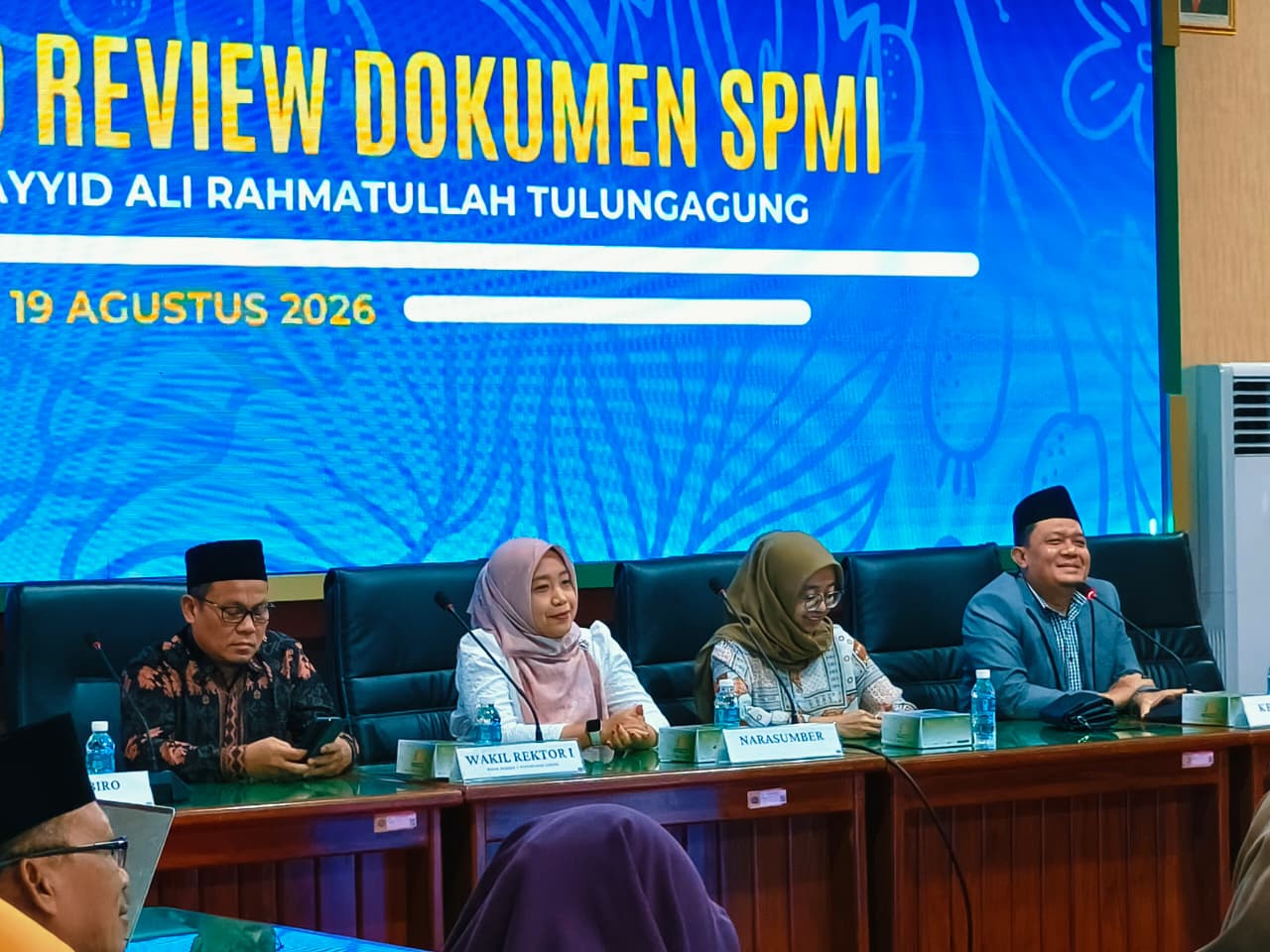
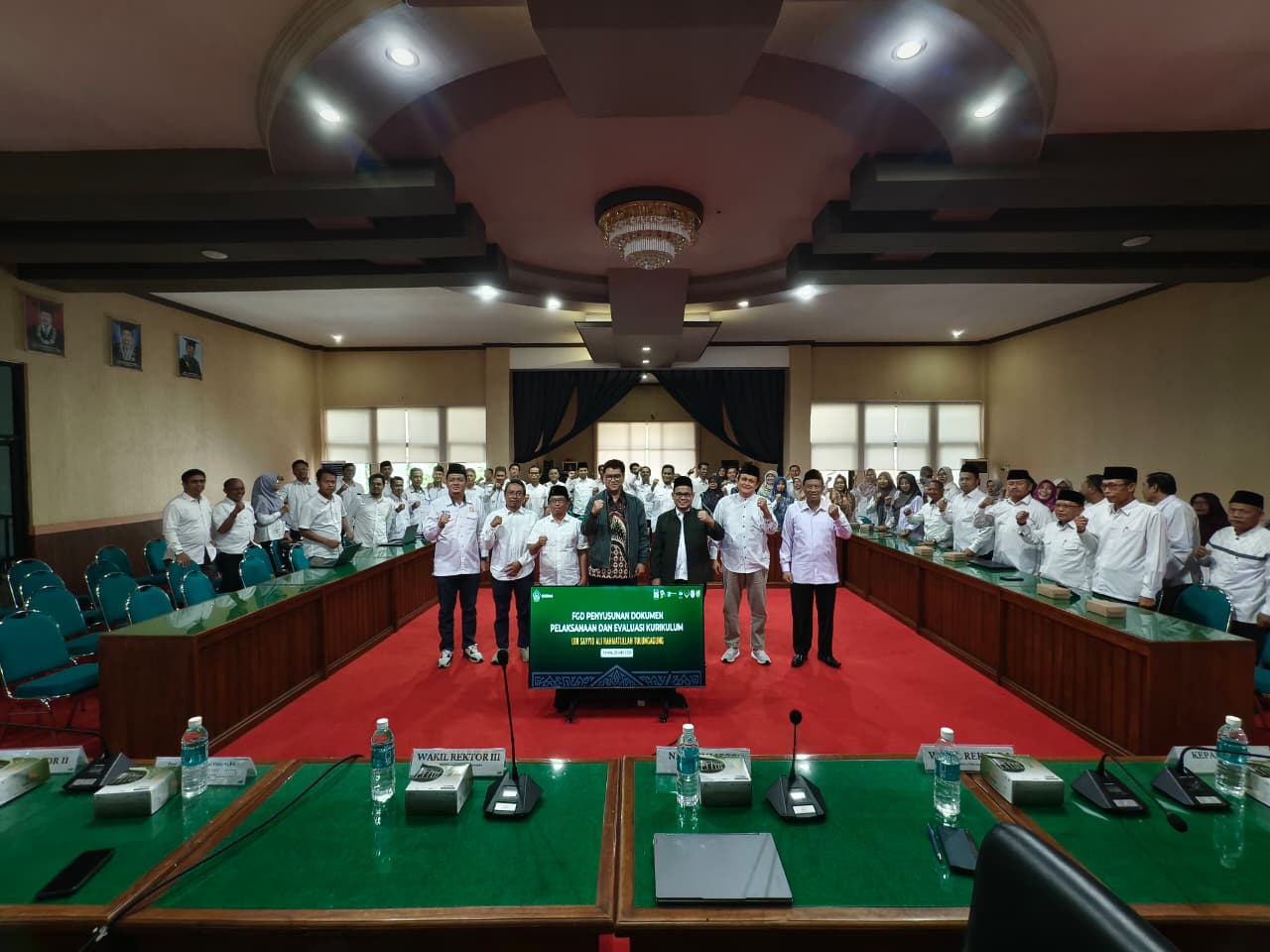
On Monday, 25 Mei 2026 activities have been carried out Focus Group Discussion (FGD) with the theme "Preparation of Curriculum Implementation and Evaluation Documents" organized by the Quality Assurance Institute. This activity went smoothly and was attended by university leaders, quality assurance team, lecturer, as well as academic elements involved in developing and evaluating higher education curricula.
The activity began with an official opening by the organizing committee who conveyed the main objectives of the FGD, namely to strengthen the quality of curriculum implementation and evaluation documents so that they are in line with higher education policies, institutional needs, as well as demands for continuous improvement in academic quality. The atmosphere of the activity took place in an orderly manner, active, and full of enthusiasm from all participants.
The first speech was delivered by the Chairman of the Quality Assurance Institute, namely Prof. Dr. H. Agus Zaenul Fitri, M.Pd.. In his speech, he emphasized the importance of preparing systematic curriculum documents, measurable, and in accordance with higher education quality standards. He also said that curriculum evaluation must be carried out periodically to ensure the relevance of learning to developments in science and the needs of society.
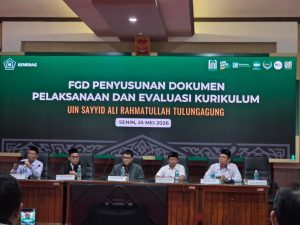
Furthermore, The second speech was delivered by Vice Chancellor I, namely Prof. Dr. H. Badruzzaman Century, Lc., M.Ag.. In his command, he said that the curriculum is the heart of the implementation of higher education so that every process of preparation and evaluation must involve various academic elements collaboratively. He hopes that this FGD activity will be able to produce quality and implementable documents.
Entering the morning material session, The activity was guided by resource person Prof. Dr. Syamsul Arifin, M.T.. In his presentation, he explained about the strategy of compiling an effective curriculum implementation document, starting from lesson planning, preparation of graduate learning outcomes, to integration of the curriculum with the needs of the world of work and technological developments.
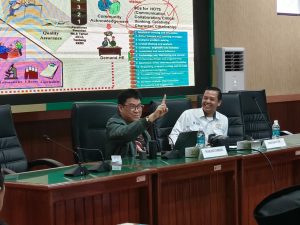
The morning session speaker also emphasized that curriculum implementation documents must have clear and measurable indicators of achievement. Besides that, He provided various examples of implementing good practices in quality-based curriculum management which can be used as a reference by study programs in preparing academic documents.
In the afternoon session, material delivered by Prof. Dr. Imas Maesaroh, M.Lib.. He explained the importance of curriculum evaluation as part of the internal quality assurance cycle of higher education. Curriculum evaluation, according to him, must be carried out comprehensively by involving analysis of learning outcomes, stakeholder feedback, as well as the results of graduate tracer studies.
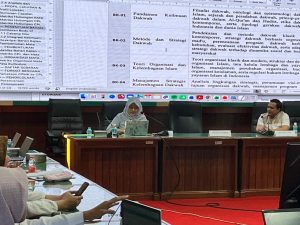
In the discussion session, FGD participants actively asked various questions, input, and experience related to curriculum preparation and evaluation in each study program. The discussion was interactive and resulted in various constructive recommendations for improving curriculum implementation and evaluation documents in the higher education environment.
It is hoped that this FGD activity can increase participants' understanding of the importance of structured curriculum management, adaptive, and oriented towards the quality of education. Besides that, It is hoped that the results of the discussions and recommendations obtained will become the basis for improving academic policies and quality documents at the institutional and study program levels.
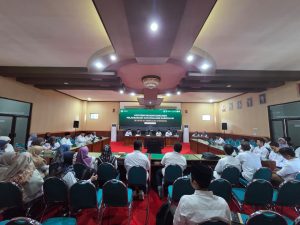
With the end of the whole range of activities, The FGD for Preparing Curriculum Implementation and Evaluation Documents officially closed on the same day in a conducive atmosphere and full of a spirit of collaboration. All participants hope that similar activities can continue to be carried out on an ongoing basis as part of efforts to improve the quality of higher education.