Tulungagung, 7 August 2025 – Quality Assurance Agency (LPM) UIN Sayyid Ali Rahmatullah Tulungagung held activities ISO Internal Quality Auditor Training for two days, namely on 7–8 August 2025 at the Integrated Lab Building Lt.2. This activity is part of UIN SATU's commitment to improving the quality of governance and quality assurance of higher education through sustainable implementation of ISO standards.
This training was officially opened by the Chancellor, who in his speech conveyed the importance of increasing human resource capacity, especially internal quality auditors, to be able to carry out internal audits effectively, exactly, and in accordance with international standards.
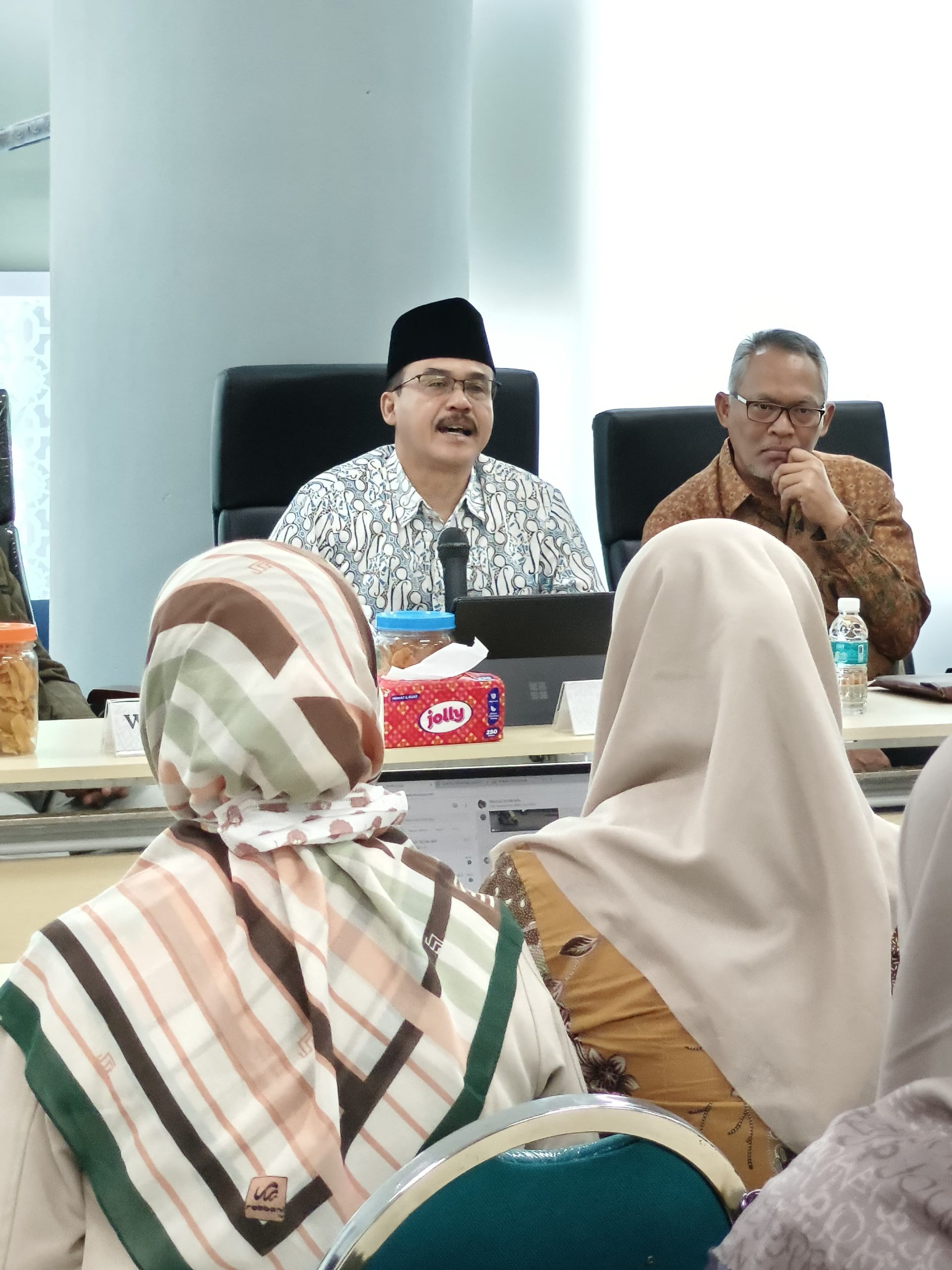
"This activity is very strategic in order to equip internal auditors with competence and a comprehensive understanding of ISO standards, so that it can support structured and sustainable quality assurance efforts within the UIN SATU Tulungagung environment," said the Chairman of LPM in his speech.
Furthermore, The welcoming speech and opening of the activity was delivered by the Chancellor of UIN SATU Tulungagung. In his speech, The Chancellor expressed his appreciation for the LPM initiative which consistently organizes quality assurance training. The Chancellor also emphasized the importance of synergy between work units in building a strong quality culture in the campus environment.
“Quality is not enough to just talk about, but it must be cultivated. Therefore, Internal quality auditors have a strategic role in overseeing the implementation of the quality management system, and be at the forefront of the continuous evaluation and improvement process,"said the Chancellor.
This training activity was attended by lecturers and education staff from various units within UIN SATU Tulungagung. The material presented includes an introduction to ISO standards, internal audit techniques, preparation of audit reports, to case studies and audit simulations.
Through this training, It is hoped that participants will be able to become competent and professional auditors in supporting the institution's quality assurance system, and encourage the creation of a quality culture that is highly competitive at national and international levels.